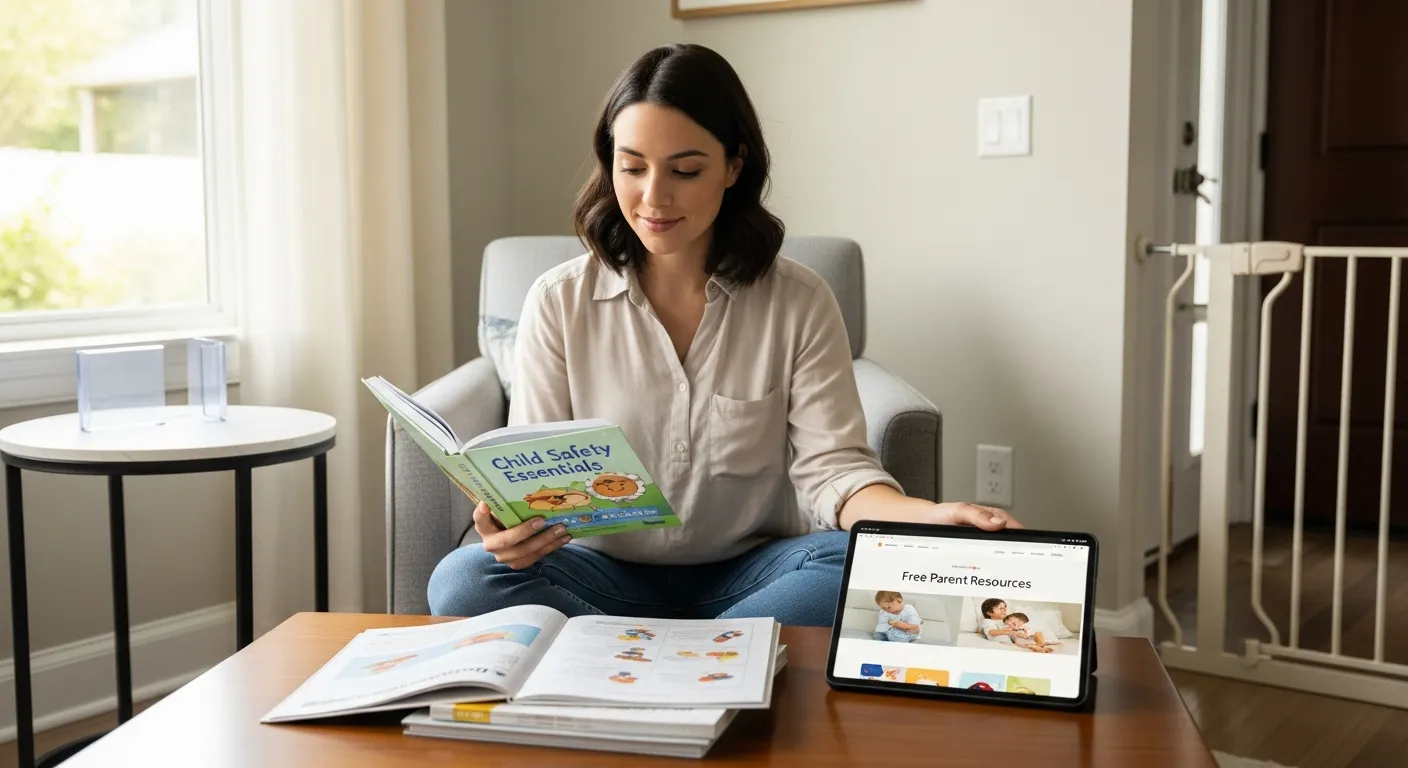
Childproofing a home often starts with quiet observation rather than major changes. Everyday rooms hide risks that become obvious only when movement, curiosity, and small hands enter the picture. Safety grows from structure, consistency, and attention to detail across shared living spaces. A calm, methodical approach helps reduce accidents and supports a more predictable environment for early development.
Reliable guidance often comes from practical resources and community knowledge. Many caregivers turn to online libraries and platforms offering free books that explain safety basics in simple language. These materials often break down room layouts, highlight common hazards, and describe age related risks in clear steps. Structured information makes planning safer environments easier and more consistent.
Understanding Home Risks
Childproofing begins with noticing what usually stays invisible during routine living. Sharp edges on furniture, unstable items on shelves, and loose cables near walking paths often create unexpected hazards. Viewing each room from a lower perspective reveals details that normally disappear in adult height awareness, changing how space is understood and arranged.
Risk also hides in storage habits and daily routines. Cleaning products left within reach or small objects scattered across surfaces increase exposure to danger. Consistent organization reduces these risks and creates a more controlled environment. Over time, structured habits support safer movement through shared spaces without requiring constant correction.
Creating Safer Daily Spaces
Kitchens and bathrooms require careful attention because they combine heat, water, and chemicals in one area. Simple adjustments such as safety locks, non slip surfaces, and controlled storage reduce many common risks. Even small design changes influence how safely the space functions during everyday activity.
Living areas benefit from stable furniture placement and careful cable management. Heavy objects like televisions or shelves need secure positioning to prevent shifting or tipping. Electrical outlets and cords also require monitoring to reduce unnecessary exposure. Safety improves when maintenance becomes part of routine household care rather than a one time effort.
Practical safety strategies often become clearer when broken into focused areas:
Securing Furniture and Fixtures
Furniture stability plays a key role in preventing accidents in shared spaces. Large items such as cabinets, shelves, and media units need firm anchoring to walls to reduce tipping risks during movement or climbing attempts. Decorative fixtures also require attention since even light objects can become hazardous when placed at height. Weight balance and placement influence overall stability. Regular checks help maintain secure fittings over time, especially in active environments where objects may be frequently touched or shifted.
Safe Storage Practices
Safe storage focuses on reducing access to hazardous materials and small items that can cause harm. Cleaning supplies, batteries, tools, and similar objects require locked or elevated storage solutions. Clear labeling helps maintain order and reduces confusion during daily routines. Consistency in storage habits supports a predictable environment where risky items remain out of reach. Over time, organized systems make household management simpler and reduce the likelihood of accidental exposure to dangerous materials or choking hazards.
Electrical Safety Awareness
Electrical safety involves careful handling of cords, outlets, and devices throughout the home. Cables should remain untangled and positioned away from walkways to prevent pulling or tripping. Outlet covers reduce exposure in unused sockets, while regular inspection of appliances helps identify wear or damage early. Device placement also matters since poor ventilation or overload can increase risk. A consistent approach to electrical safety builds a controlled environment and reduces chances of contact with unsafe connections or overheated equipment. Together these approaches create a structured foundation for safer living spaces where risks are minimized through routine attention and thoughtful arrangement of everyday items.
Supporting Child Development Through Safety
Safety and development often progress together because environment shapes behavior and exploration. A well organized space encourages calm movement and gradual learning of boundaries. Predictable surroundings reduce overstimulation and help create a balanced rhythm in daily activity, where exploration happens within safer limits.
As development progresses, observation becomes an important tool for refining safety measures. Movement patterns reveal how spaces are used and where adjustments may be needed. Flexible arrangements ensure that safety systems remain relevant over time. This ongoing process allows the home to adapt naturally alongside changing developmental stages.
Maintaining Long Term Safety Habits
Long term safety depends on repetition rather than one time adjustments. Regular review of furniture placement, storage systems, and access points helps maintain consistent standards. Small maintenance actions, repeated over time, create lasting stability across living environments and reduce the chance of overlooked risks.
Shared experience and informal guidance also strengthen safety habits. Insights from caregivers and educators often highlight practical solutions to everyday challenges. Combined with structured information, these perspectives support balanced decision making. Over time, a steady culture of awareness shapes a safer and more adaptable home environment.