

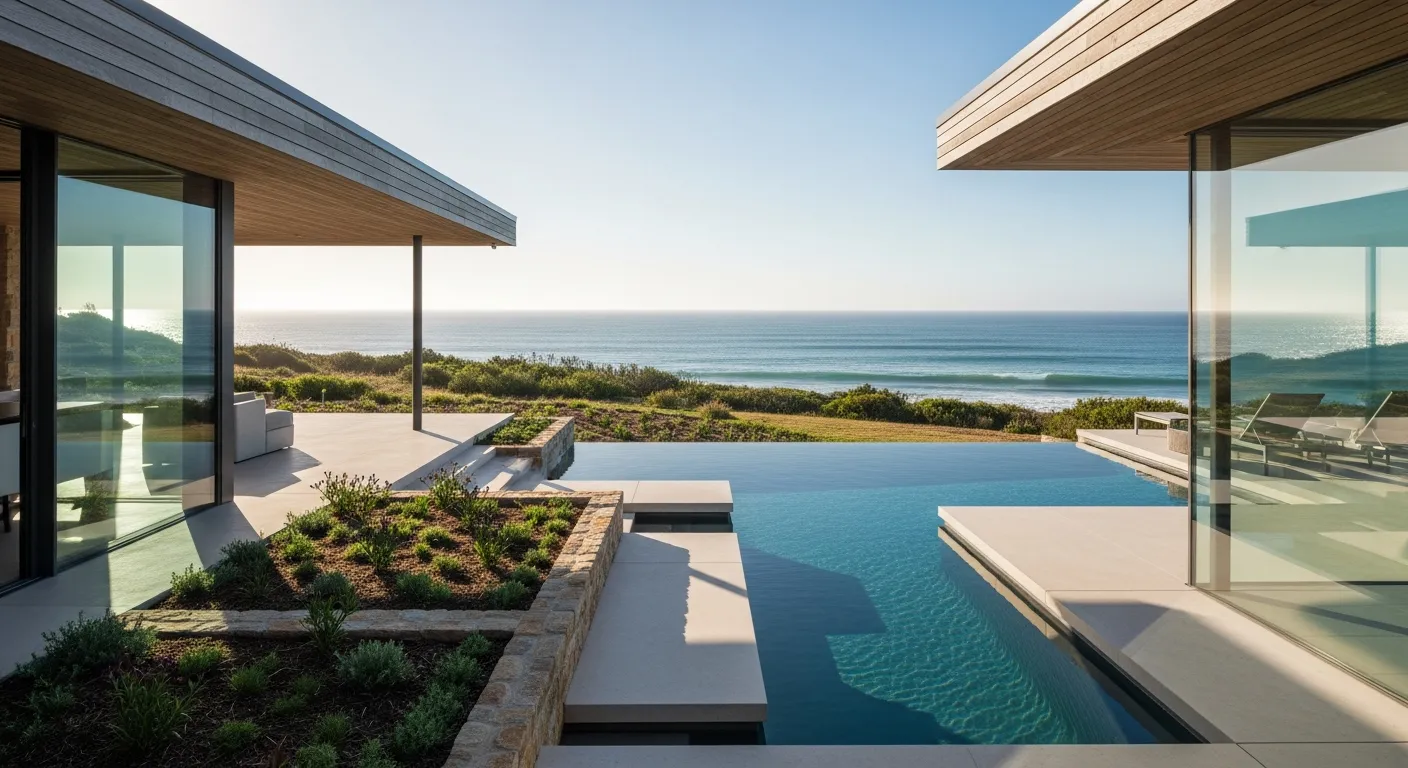
Coastal homes are special because they sit near the sea and offer amazing views. But designing outdoor spaces in these areas is not always easy. Strong winds, salty air, bright sun, and heavy rain can quickly damage materials and affect comfort.
That is why thoughtful exterior layouts are important. They help create outdoor spaces that are beautiful, practical, and long-lasting. Read on.
Designing for Coastal Weather
When building outdoor areas near the coast, the weather must always be considered first. Materials should be strong enough to handle salt, moisture, and heat. Common choices include treated wood, stone, composite decking, and metal that does not rust easily.
It is also important to think about wind and sunlight. Strong winds can make outdoor spaces uncomfortable, so barriers like glass walls, fences, or plants are often used. These protect the space without blocking the view of the ocean.
For sunlight, shade is important. Roof extensions, umbrellas, and pergolas help keep outdoor areas cool and comfortable during hot days.
Connecting Indoor and Outdoor Spaces
One of the best ideas in modern coastal design is making indoor and outdoor spaces feel like one area. Large glass doors are often used so people can easily move between the house and the outside space.
Outdoor living rooms, kitchens, and dining areas are placed close to indoor rooms. This makes the home feel bigger and more open. It also encourages people to spend more time outside, enjoying the fresh air and views.
Some homes also use raised decks or steps to create different levels. This helps make outdoor spaces more interesting and gives better views of the sea.
Simple and Natural Landscaping
Plants are an important part of coastal design. But instead of high-maintenance gardens, simple and natural plants are better. These include grasses, palms, and native plants that can survive salty air and strong winds.
These plants help protect the soil and make the area look more natural. They also blend well with the coastal environment.
Paths made from stone, gravel, or sand-friendly materials help people walk through the garden easily without damaging the landscape. Check out https://jrlandscapesservice.com/services/landscape-design/clearwater/ for more information.
Flexible Outdoor Spaces
Coastal outdoor areas should be flexible. This means they can be used in different ways. For example, a patio can be used for relaxing in the morning, eating lunch in the afternoon, and having dinner at night.
Furniture that can be moved easily is helpful. Shade covers that can open or close also make the space more useful in different weather conditions.
Lighting is also important. Soft lights along paths, decks, and gardens make the space safe and peaceful at night. It also highlights the beauty of the coastal surroundings.
Storm-Ready and Safe Design
Coastal areas can experience strong storms, so safety is very important. Outdoor furniture should be secured or easy to move when bad weather comes. Heavy winds can damage loose items, so storage spaces are useful for keeping things safe.
Drainage is also important. Proper ground design helps rainwater flow away quickly to avoid flooding or erosion. Elevated structures like decks can also help protect outdoor areas from water damage.
Your Coastal Oasis Awaits
Good coastal exterior layouts are simple, strong, and flexible. They use the right materials, connect indoor and outdoor spaces, include natural plants, and allow for different uses.
They also plan for storm safety and water control. When done well, they turn coastal homes into relaxing and beautiful places that match the natural beauty of the sea.
If you want to read more articles, visit our blog.


