

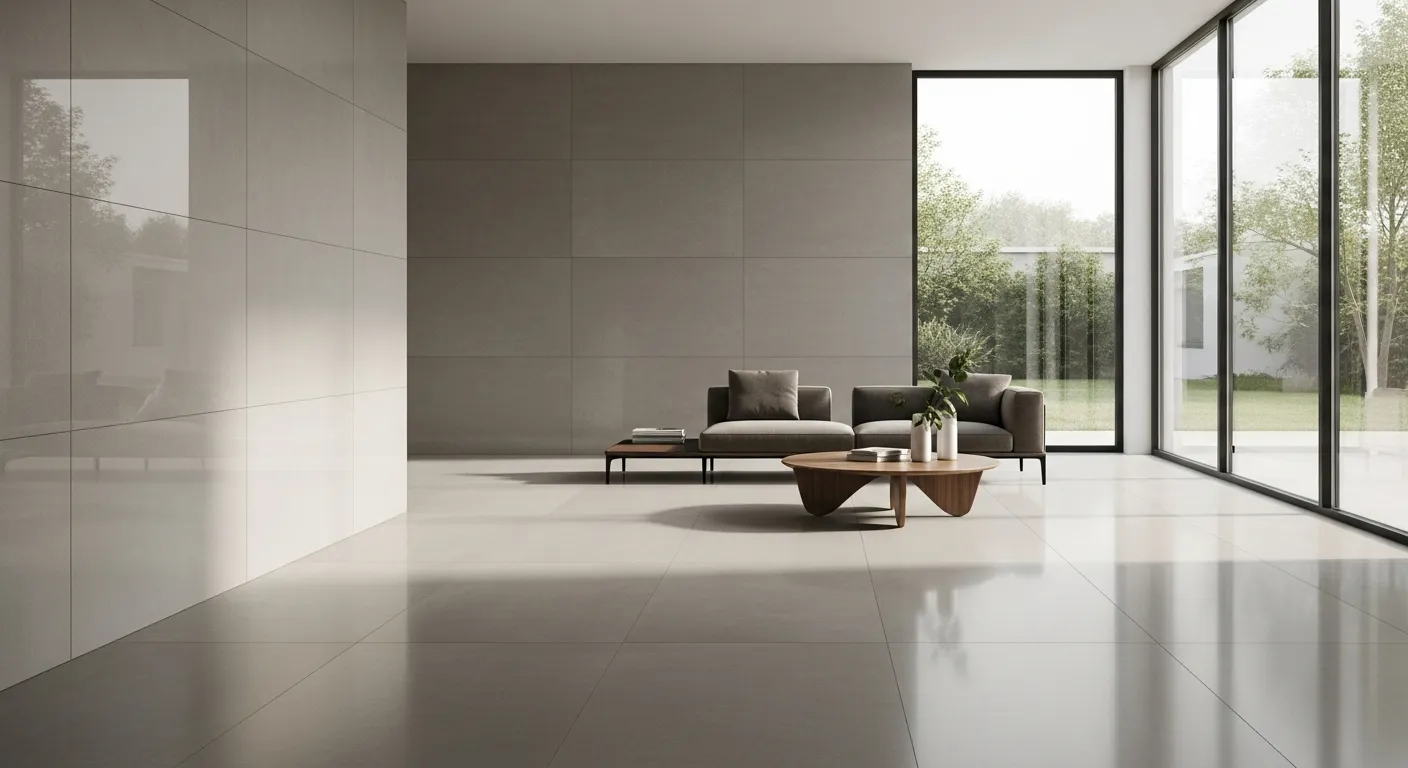
Italian porcelain tiles continue to inspire modern design because they offer far more than decorative appeal. Their versatility, refined finishes, and technical performance make them a valuable solution for architects and designers seeking elegance and practicality in contemporary spaces.
The Evolving Relationship Between Surfaces and Modern Interiors
In contemporary interiors, surfaces are no longer considered secondary design elements. Floors and wall coverings now contribute directly to the perception of space, influencing light, texture, and visual balance.
Minimalist layouts and clean architectural lines have increased the importance of materials capable of enriching a project without overwhelming it. Porcelain tiles inspired by stone, concrete, marble, and natural textures help create refined environments with a strong yet understated identity.
Neutral tones and soft material effects are especially appreciated in modern interiors because they allow spaces to feel sophisticated, calm, and visually cohesive. Italian porcelain tiles are particularly effective in achieving this balance between simplicity and character.
Italian Design Culture and the Value of Material Research
Italian porcelain tiles are deeply connected to a design culture built around proportion, craftsmanship, and attention to detail. This approach continues to influence the development of contemporary ceramic surfaces.
Modern porcelain collections result from advanced material research focused on texture, finish, and realism. Innovative technologies make it possible to recreate the visual richness of natural materials while offering the consistency and precision required by contemporary architecture.
At the same time, there is a growing focus on tactile and visual authenticity. Surfaces are designed not only to look elegant, but also to create a more natural and welcoming atmosphere within a space.
Why Versatility Matters in Contemporary Architecture
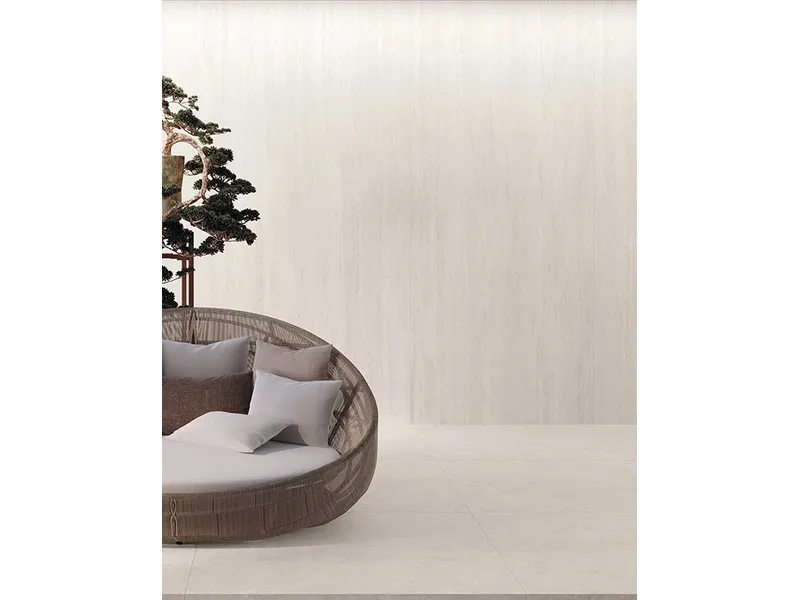
Versatility has become one of the most important qualities in modern materials. Contemporary projects often combine multiple functions and environments, requiring surfaces that can adapt seamlessly to different settings.
Italian porcelain tiles offer a wide range of formats, finishes, and applications suitable for residential interiors, hospitality spaces, retail environments, and commercial projects. Coordinated collections also help create visual continuity between floors, walls, and architectural elements.
Large format surfaces are particularly appreciated for their ability to reduce visual interruptions and create cleaner, more cohesive interiors. This flexibility supports the growing preference for fluid and connected spaces in contemporary architecture.
The Growing Importance of Durability and Practicality
Modern design increasingly values materials that combine aesthetics with long term reliability. Contemporary spaces are expected to maintain their visual appeal while supporting everyday use and high traffic conditions.
Italian porcelain tiles are appreciated for their resistance to moisture, stains, wear, and temperature changes. Their durability makes them suitable for both residential and commercial applications where performance is essential.
Ease of maintenance is another important advantage. Surfaces that preserve their appearance with minimal care help support a more practical and efficient approach to modern living.
This combination of beauty, durability, and functionality explains why porcelain tiles continue to play a central role in contemporary architecture.
Modern Design Inspired by Balance and Authenticity
Today’s interiors increasingly reflect a desire for balance, simplicity, and authenticity. Rather than relying on excessive decoration, modern design focuses on carefully selected materials capable of creating atmosphere through texture and visual harmony.
Italian porcelain tiles embody this philosophy through surfaces that combine refined aesthetics with architectural versatility. Their ability to adapt to evolving design trends while maintaining a timeless appeal ensures their continued relevance in contemporary spaces.
Ceramiche Keope: Where Material Research Supports Modern Architectural Vision
Contemporary architecture increasingly relies on materials capable of creating continuity, balance, and visual clarity across interconnected spaces. Within this evolving design landscape, porcelain surfaces are no longer selected solely for their technical role, but for their ability to shape the atmosphere and identity of a project.
Since 1995, Ceramiche Keope has interpreted this transformation through a design philosophy centered on material research, technological development, and Italian manufacturing expertise. As part of the Concorde Group, the company has established an international presence built on precision, innovation, and a constant dialogue with contemporary architectural needs.
At the core of Ceramiche Keope’s approach lies the idea that surfaces should function as integrated architectural elements rather than isolated decorative features. This vision has led to the development of coordinated porcelain collections conceived to ensure consistency between floors, walls, indoor settings, and outdoor environments.
Through a broad selection of formats, thicknesses, and finishes, the collections provide architects and designers with flexible tools for shaping fluid and cohesive spaces across residential, hospitality, commercial, and wellness projects.
The versatility of Italian porcelain tiles plays a fundamental role in this process. Porcelain stoneware combines durability with refined aesthetic research, offering surfaces engineered to withstand moisture, wear, thermal fluctuations, and intensive daily use while maintaining visual integrity over time.
At the same time, Ceramiche Keope explores a wide range of material inspirations capable of adapting to different architectural languages. Marble-look surfaces express depth and sophistication, stone-effect collections emphasize tactile realism, while concrete, resin, and wood-inspired finishes contribute to more contemporary and minimalist spatial compositions.
Research and innovation also extend to the company’s environmental strategy. Ceramiche Keope adopts manufacturing processes designed around efficiency, circularity, and resource optimization, including the complete recovery of fired scraps and the total reuse of water and raw material residues. Around 75% of energy consumption is covered through in-house generation systems, while the remaining energy comes exclusively from certified renewable sources.
International certifications such as ISO 17889, WELL Building Standard V2, and Declare further confirm a production model where material innovation, environmental responsibility, and architectural quality evolve together within a contemporary industrial vision.


