

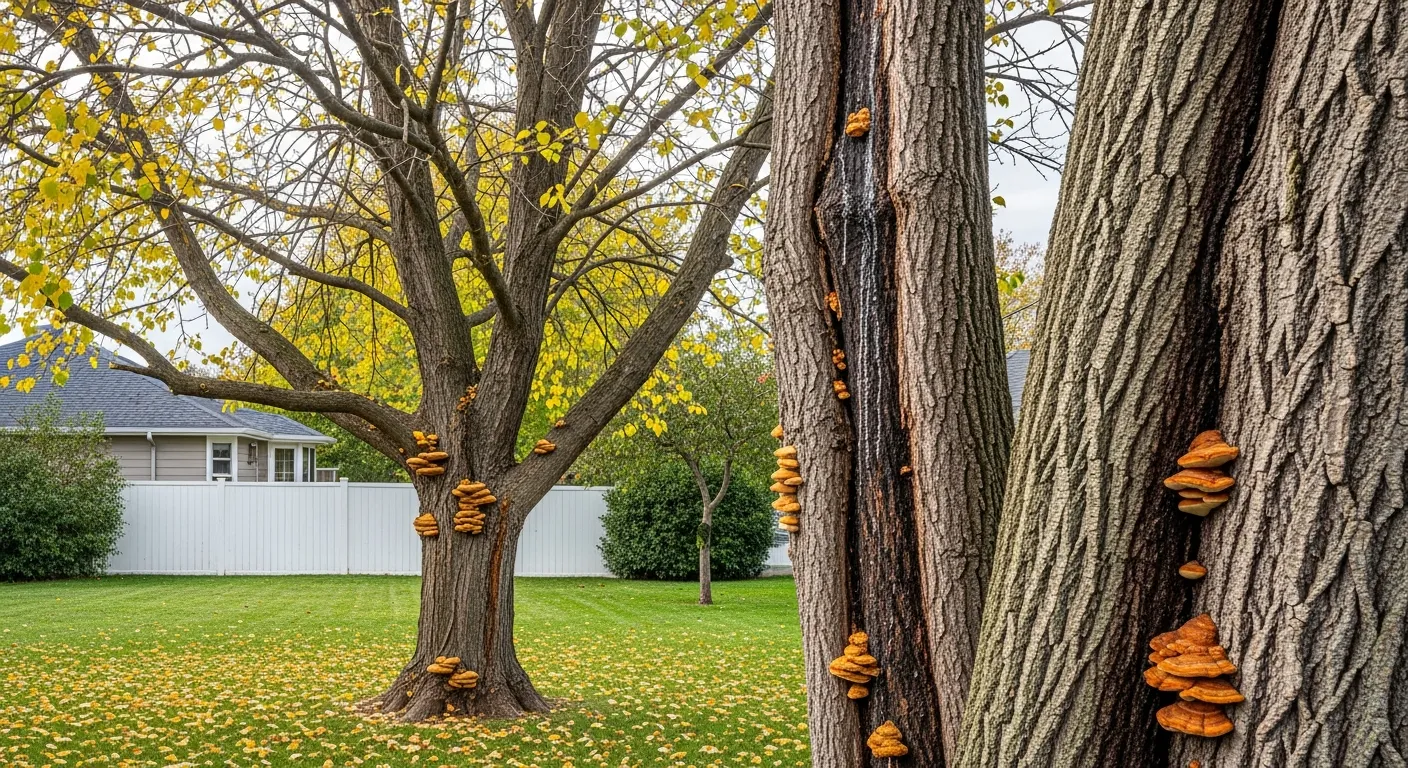
Healthy trees add beauty, shade, and value to a property. They also help improve air quality and create a peaceful outdoor space. But when trees become sick, they can turn into safety risks. Weak or dying trees may fall or spread disease to nearby plants.
Many homeowners do not notice tree problems right away. Some signs may seem small at first but can grow worse over time. Ignoring early warning signs can lead to expensive damage or dangerous situations. Continue reading to discover everything you need to know.
Dead or Falling Branches
Dead branches are one of the most common signs of a sick tree. These branches may break easily and fall during storms or strong winds. Falling branches can damage homes, cars, fences, or power lines. They can also create safety risks for people nearby.
Some homeowners think a few dead branches are normal. While small amounts may happen naturally, large numbers of dead branches often point to disease or decay. Trees should be checked regularly for weak or brittle limbs. Early care can help stop the problem from spreading.
Cracks and Damage on the Trunk
Tree trunks can show signs of health problems as well. Deep cracks, holes, or peeling bark may signal decay inside the tree. These problems weaken the tree's structure and stability. A damaged trunk may not support the tree properly over time.
Discolored or Falling Leaves
Leaves often show early signs of tree disease. Yellow, brown, or spotted leaves may signal stress or infection. Trees that lose leaves too early may also have health problems. Healthy trees usually keep strong and vibrant leaves during the growing season.
Some homeowners may think seasonal changes are the cause. However, unusual leaf loss during the wrong time of year can be a warning sign. Wilting or curling leaves may also point to disease or pest damage. Watching leaf health can help catch problems early.
Signs of Pest Infestation
Pests can weaken trees and spread disease quickly. Small holes in bark, sawdust near the base, or insect activity may point to infestation. Some pests attack weak trees, while others cause damage themselves. Insects can slowly destroy the inside of a tree.
Leaning or Unstable Trees
A tree that suddenly leans may be unsafe. Leaning can happen when roots are damaged or weakened by disease. Storms and poor soil conditions can also affect tree stability. Professional tree care services from https://artstreeservicesarasota.com/ help homeowners maintain healthy, safe, and beautiful trees through expert pruning, tree removal, stump grinding, and emergency support.
Soft or Rotting Wood
Soft wood is another warning sign of tree disease. Healthy wood should feel firm and strong. If parts of the trunk feel soft or hollow, decay may already be spreading. Rot weakens the tree and increases the risk of falling.
Protecting Your Property and Safety
Diseased trees can put homes, vehicles, and people at risk. Falling branches and unstable trunks can cause serious property damage. Early care helps reduce these dangers before problems become worse. Healthy trees are safer and more attractive for any property.
Regular tree inspections are one of the best ways to prevent major issues. Professional tree care experts can identify diseases, pests, and hidden damage. Early treatment may help save the tree and protect nearby areas. Expand your knowledge and check out more posts on our blog!


