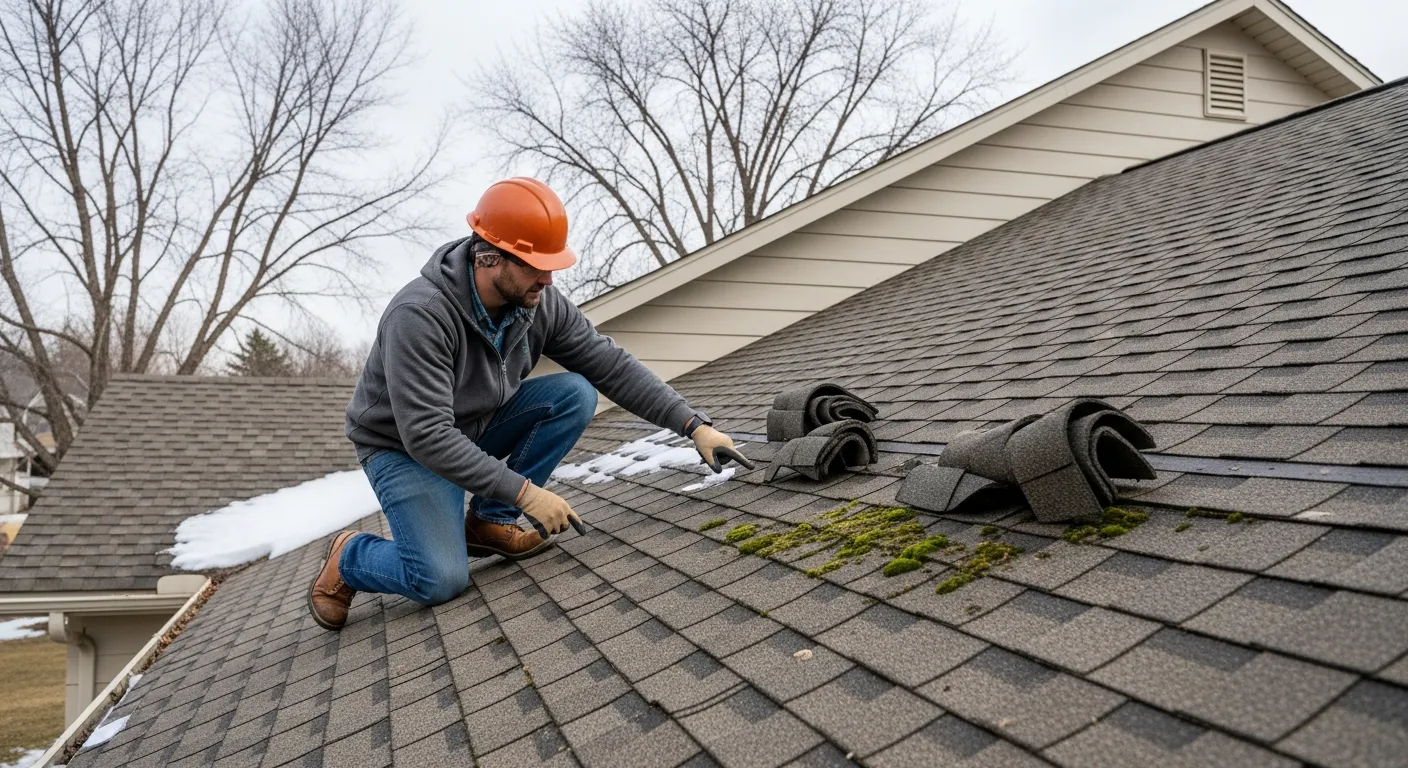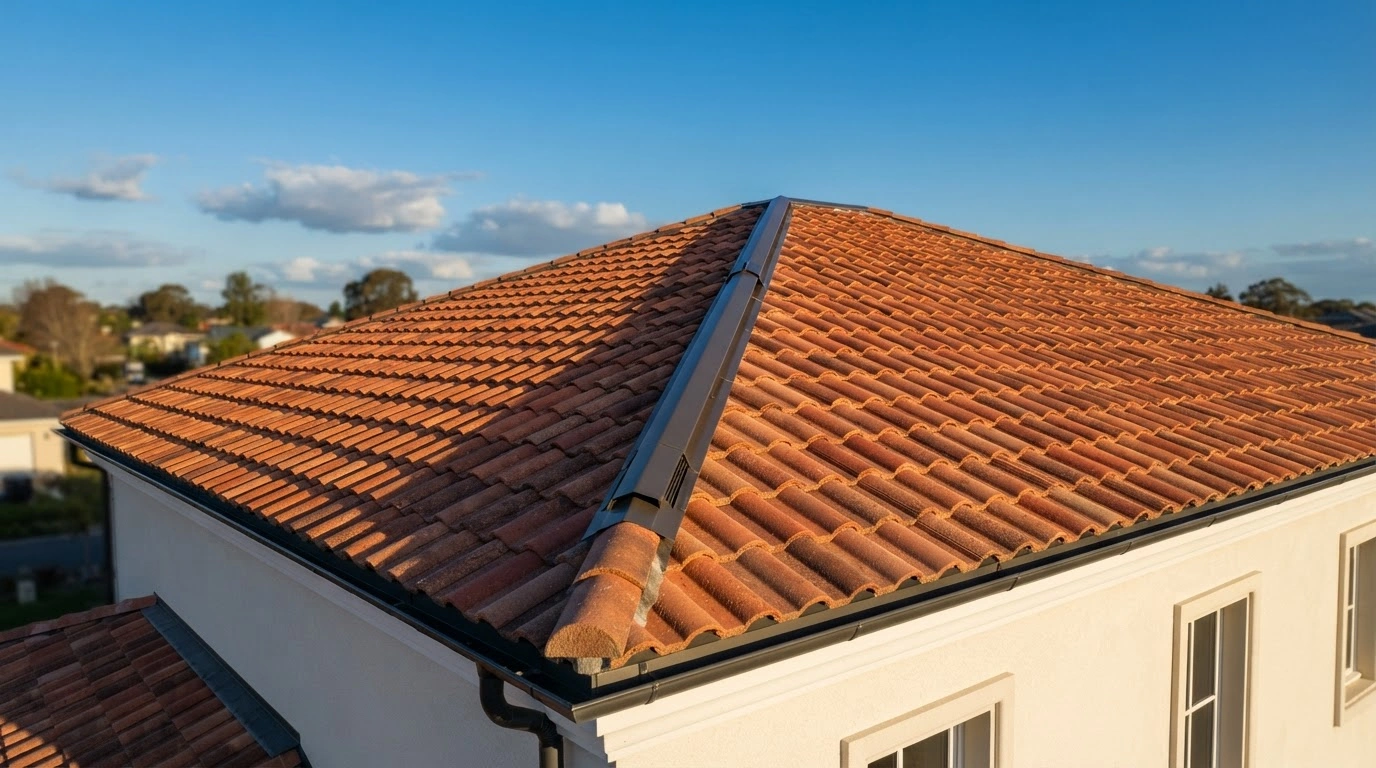
A roof's purpose is more than just to keep the rain and wind out of the house. Additionally, it has an impact on indoor temperature, natural light, as well as on the power consumption inside the home for the whole year. So, choosing roofs correctly, using the proper materials and design, can make rooms more comfortable and help reduce the cost of a home's electrical bill as well.
How Roofing Materials Affect Indoor Temperatures
Various roofing material types have various rates at which they take in, reflect and release heat. Darker tones absorb a substantial quantity of sunshine. But lighter hues frequently reflect more solar energy. The amount of heat gained by the house, though, is influenced by the colour.
During summer, the over-absorption of heat in the interior of a hot roof can create uncomfortable conditions in upper rooms. Designed correctly, the roof space hot air can escape as long as there is good roof design for effective roof ventilation. It can be used along with proper insulation to lower the heat ingress into living spaces and to alleviate the requirement for mechanical cooling.
The Role of Insulation and Roof Design
Insulation reduces the transfer of heat energy between the room and roof surfaces below. In summer, it can lower the heat transfer of the house. It does that by minimising heat leakage through the ceiling in winter. Its success relies on the material.
Height of the roof and ceiling can also impact comfort. An effective roof space should provide ventilation. Don’t decide what kind of roof to install to reduce temperature concerns. Instead, take those features into consideration when designing another home.
Choosing Roofing Materials for Better Efficiency
The right roofing should be used depending on several factors. A good example is that terracotta tiles can provide thermal mass, which can delay temperature fluctuations if properly installed. Without taking into account the entire roofing system, neither option ensures increased efficiency.
Installers and homeowners must take a broader look at the overall functioning of roofing materials when making a comparison of roofing options, since this must not be limited to the initial investment. Here are factors they need to consider:
- Colour and finish
- Insulation compatibility
- Durability
- Installation quality
Balancing Initial Costs and Long-Term Savings
Cheap-looking roofs can work out cheaper in the long term if the roof is long-lasting. Using and installing appropriate insulating materials and roof finishes can potentially decrease cooling expenses for sloping roofs in warm climates. However, this will vary based on building characteristics and climate. When selecting materials, homeowners are encouraged to consider the total system cost, rather than a material's initial price.
Determining the best mix of materials can be achieved with professional advice. A roofing professional can review the structure requirements prior to the installation process. These measures allow the homeowner to avoid some expensive mistakes.
In conclusion, the type of roof you select will impact your home's living conditions. Proper use of appropriate types of materials yields the best results. When taking into account the local climate, it is possible for homeowners to improve their living space in a sensible way.