

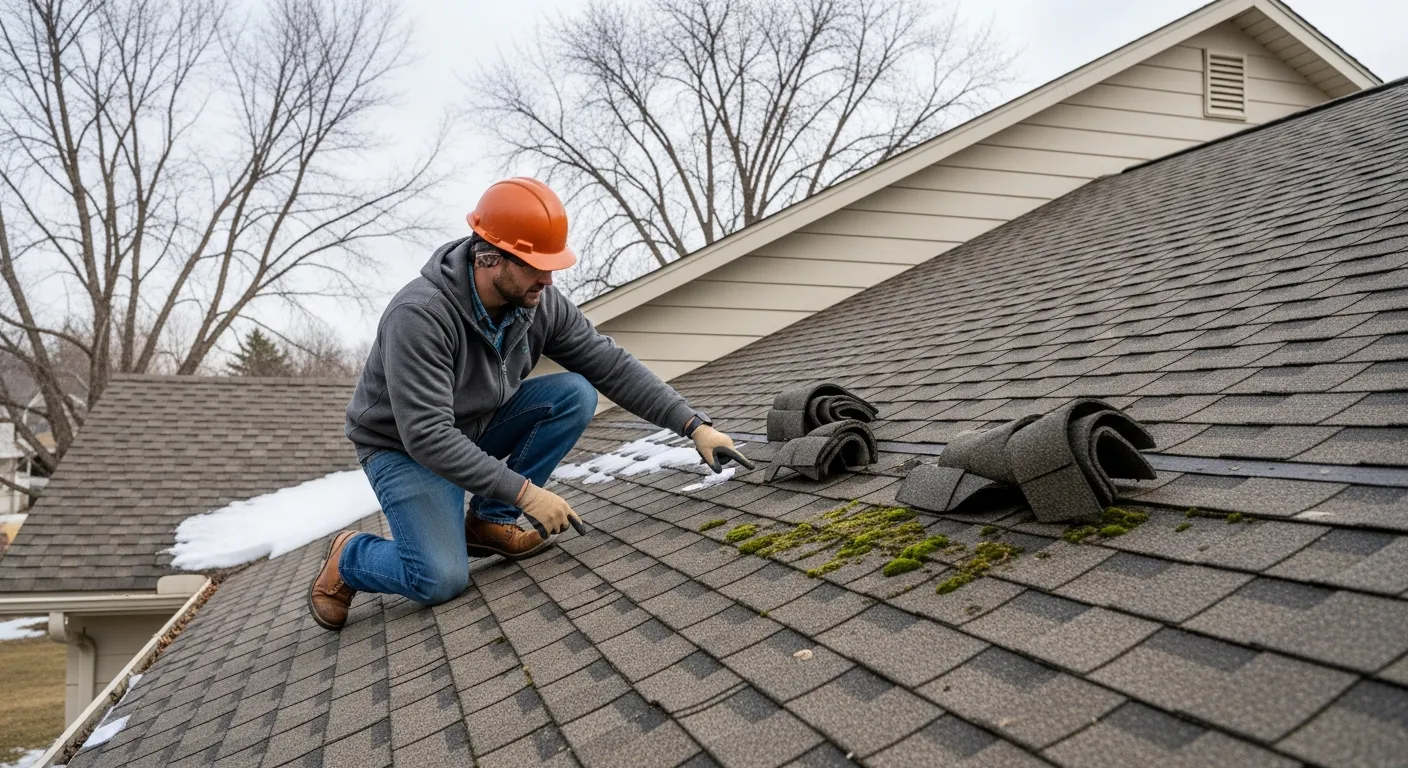
Last March, a Willmar homeowner noticed a few shingles missing after a winter storm but dismissed it as minor damage. By May, during the first heavy spring rain, water was streaming through the ceiling into the living room. What began as a simple repair turned into a full replacement project. Minnesota's dramatic seasonal shifts put relentless pressure on your roof, and without regular maintenance, small issues can quickly escalate into costly emergencies.
The Hidden Dangers of Minnesota's Changing Seasons
Minnesota weather tests roofing systems with moisture, wind and extreme temperature swings that work together to wear down even the most durable materials. Understanding the specific threats each season brings helps you stay one step ahead of serious problems.
Your roof's protection starts with the decking beneath the shingles. However, as Heritage Exteriors explains, "Over time, decking can become compromised due to rot, moisture or other damage, requiring it to be replaced to ensure the roof remains sturdy and secure." Once the decking fails, the entire system above becomes vulnerable.
The Weight of Winter: Ice Dams and Structural Strain
Snow seems light when it first falls, but it compacts and absorbs moisture over time, increasing the load on your roof. This accumulated load puts constant strain on your roofing system and can lead to structural issues.
When heat escapes through your attic, it melts snow on the upper portions of your roof. The runoff flows down and refreezes at the colder eaves, forming a barrier that traps subsequent meltwater. With nowhere else to go, this trapped moisture seeps under your shingles and causes interior damage and ceiling stains.
Summer Stress: Damage from Hail, Wind and Debris
Summer storms arrive across Minnesota with dramatic force. Hailstones damage shingles and create small indentations that compromise the protective granules on their surface, creating weak points where cracks can develop and allow moisture to penetrate.
Strong winds can rip shingles completely off your roof and leave bare patches exposed to the elements. Even moderate gusts lift shingle edges, breaking the seal and creating entry points for rain. Falling branches and airborne debris puncture roofing materials during storms, causing immediate problems that worsen with every rainfall.
Your First Line of Defense: A 10-Minute Visual Inspection Guide
Grab a pair of binoculars and walk around your home to catch many roof problems early with a simple visual check from the ground. The National Roofing Contractors Association recommends biannual roof inspections to catch problems before they lead to serious issues.
Look for these warning signs:
- Curling or missing shingles: Curled shingles or those that are completely absent expose your roof deck to moisture and UV deterioration.
- Damaged flashing: The metal strips around chimneys, vents and valleys should lie flat and show no signs of rust, cracks or separation from the roof surface.
- Granule buildup in gutters: Excessive granules washing into your gutters indicate your shingles are deteriorating and losing their protective coating.
- Sagging areas: Any dips or sags in your roofline suggest structural issues that require immediate professional attention.
- Moss or algae growth: Dark streaks or green patches indicate moisture retention, which can accelerate shingle deterioration.
How Do You Find a Licensed and Insured Roof Inspector?
While you can catch obvious problems with a visual check from the ground, a certified roof inspector provides the trained expertise to identify subtle signs of trouble and assess the underlying structures that you can't see from ground level. Professionals evaluate issues with ventilation, insulation and structural integrity that affect your roof's long-term performance.
When you're trying to find a licensed and insured roof inspector, focus on contractors who are deeply rooted in the community. Businesses that understand Minnesota's unique weather challenges have reputations to protect in the neighborhoods they serve, and they bring proper licensing, current insurance coverage and a proven track record.
Why Prevention Is More Affordable Than Replacement
Your roof represents a significant investment in your home's protection and value. Heritage Exteriors states, "the average lifespan of a roof ranges from 15 to 25 years, depending on the roofing materials and other factors." Proper care and timely repairs can help you reach the upper end of that range.
Regular professional checks cost far less than addressing major issues. When you invest in routine evaluations, professionals can identify minor concerns like loose flashing or small leaks before they compromise larger sections of your roof. Replacing a handful of troubled shingles today prevents moisture intrusion that could require interior repairs later.
Clear gutters ensure proper drainage and prevent ice buildup. Addressing small trouble spots immediately stops problems from spreading, while post-storm evaluations catch issues while repairs remain manageable and affordable.
Safeguarding Your Home's Most Important Shield
Your roof works tirelessly to protect everything beneath it from Minnesota's challenging climate. Take 10 minutes this week to perform a visual check from the ground. If you notice any warning signs or want the peace of mind that comes with professional expertise, reach out to a trusted contractor in your area. Inspecting your roof today means protecting your home and your investment for years to come.


