

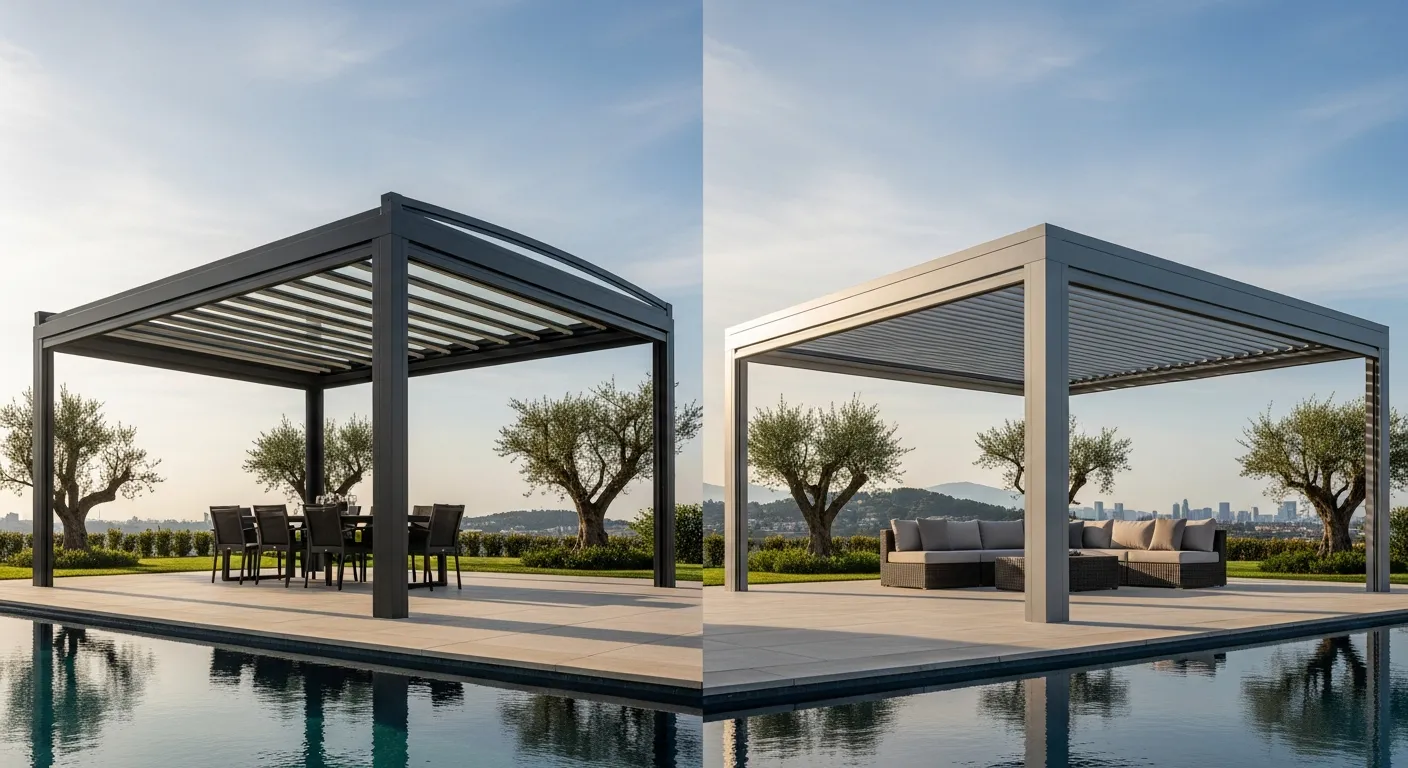
Across the United States, outdoor living spaces are becoming more sophisticated, with homeowners and designers seeking structures that offer flexibility, comfort and architectural impact. As backyards evolve into fully functional extensions of the home — complete with kitchens, lounges, dining areas and entertainment zones — the roof covering that shelters these spaces has become one of the most important design decisions a homeowner can make. Two systems are leading this trend: retractable roofs and louvred roofs. While both enhance outdoor environments and can transform an ordinary patio into a year-round living space, they serve different purposes, come with different price points, and suit different design goals. Understanding the distinction between them is key to choosing the right system for a specific climate, lifestyle and architectural vision.
The Appeal of Retractable Roofs
Retractable roofs are ideal for homeowners who want full control over sunlight and open-sky exposure. These systems typically use tensioned fabric or membrane panels mounted on a track system, allowing the entire roof to extend or retract at the touch of a button. Within seconds, an outdoor space can transform from a fully shaded retreat into an open-air setting under the stars.
Because they are lightweight and adaptable, retractable roofs provide shade during hot weather, shelter during rain, and the option to open the space completely when conditions are perfect. Many models are also equipped with sensors that automatically close the canopy in response to wind or rain, adding a layer of convenience and protection without requiring manual intervention. This flexibility makes them especially popular for patios, alfresco dining areas and outdoor entertainment zones where the mood of the space might change from one occasion to the next — a sunlit lunch one day, a sheltered evening gathering the next.
Retractable systems also tend to have a softer, more residential aesthetic. The fabric canopies come in a range of colours and textures, allowing homeowners to coordinate the roof with existing exterior finishes. Because the structural footprint is generally lighter than that of an aluminium louvred system, retractable roofs can sometimes be installed with fewer structural modifications, making them an attractive option for renovations or spaces with existing overhead constraints.
The Case for Louvred Roofs
Louvred roofs, on the other hand, offer a more architectural and permanent solution. Built with adjustable aluminium blades, these systems allow precise control over light, shade and ventilation. When closed, the blades form a solid, water-tight surface that protects against rain, effectively turning the outdoor area into a sheltered room. When tilted open, they create natural airflow and filtered sunlight, striking a balance between exposure and protection that fabric systems cannot always replicate.
Because they are constructed from durable, weather-resistant aluminium, louvred roofs are built to withstand harsh sun, heavy rain and strong winds without the wear that fabric membranes can experience over time. This durability, combined with their sleek, contemporary lines, is why louvred roofs are often chosen for high-end outdoor living spaces where longevity, aesthetics and year-round usability are top priorities. Many designs integrate guttering systems within the blades themselves, channelling rainwater away discreetly and allowing the space to remain fully usable even in wet weather.
Louvred roofs also tend to read as a permanent architectural feature rather than an add-on. Their clean geometric lines and solid structural presence make them a natural extension of the home's existing roofline, often blurring the boundary between indoor and outdoor living. For homeowners investing in a long-term outdoor room — complete with lighting, heating and integrated audio — a louvred system provides the structural backbone to support those additions.
Smart Integration and Making the Right Choice
Both systems can be motorised and integrated with smart-home controls, including app-based operation, voice assistants and weather-responsive automation, making them suitable for modern, connected outdoor environments. Neither option is inherently "better" than the other; the right choice depends on priorities. The decision between them often comes down to whether a homeowner prefers the open-sky experience and softer aesthetic of a retractable roof, or the structural presence, durability and weather resilience of a louvred roof.
Budget, climate and the intended use of the space all play a role. Regions with intense sun and heavy seasonal rainfall may lean toward the year-round protection of louvred systems, while homeowners who prioritise flexibility and a lower up-front investment may find retractable fabric roofs better suited to their needs.
For readers exploring these options, Taylor & Stirling provides a detailed comparison of both systems, helping homeowners understand which solution best fits their climate, design goals and outdoor lifestyle. The full article can be viewed here: https://www.taylorandstirling.com.au/d2cf
As outdoor architecture continues to evolve, retractable and louvred roofs are becoming defining features of contemporary backyard design, offering homeowners a blend of comfort, control and visual impact that reflects the growing sophistication of how people live outdoors.


